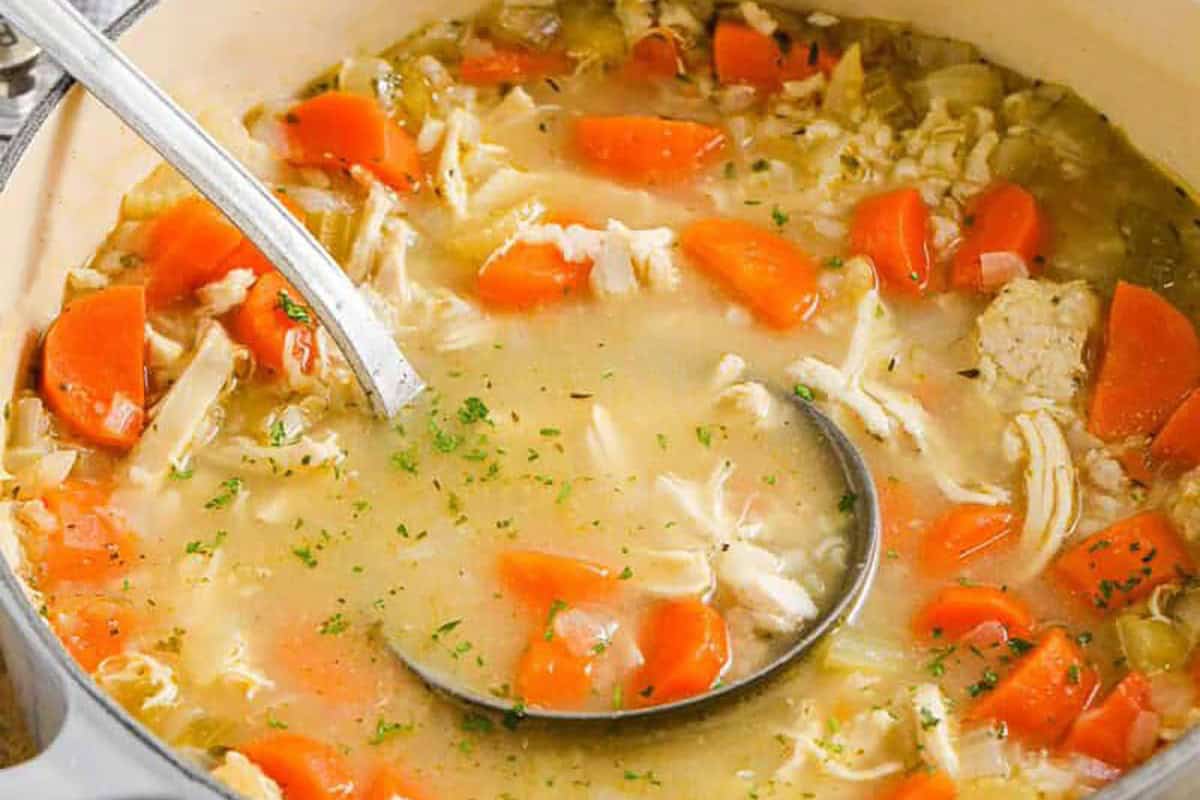
Elevate Your Chicken & Rice Soup: Flavor Secrets for a Rich Broth
Few dishes evoke the warmth and comfort of home quite like a steaming bowl of `chicken and rice soup`. It's a culinary hug, a go-to remedy for chilly evenings, and a steadfast companion through sniffly noses. While canned versions might stir up childhood nostalgia, mastering a homemade `chicken and rice soup` elevates this classic to an entirely new level. The true magic, the secret to transforming a simple soup into an unforgettable experience, lies not just in the chicken or the rice, but in the profound depth and richness of its broth.
A truly spectacular `chicken and rice soup` isn't merely chicken and rice swimming in liquid; it's about a broth so intensely flavorful, so deeply comforting, it makes every spoonful a revelation. Achieving this depth doesn't require hours of simmering or an exhaustive list of exotic ingredients. Instead, it comes down to understanding a few key principles and employing strategic techniques that maximize every ounce of flavor. Let's dive into the secrets that will help you craft a `chicken and rice soup` that tastes like it's been simmering all day, even when it comes together in under an hour.
The Foundation: Building an Unforgettable Broth
The broth is the very soul of your `chicken and rice soup`, and its quality dictates the overall success of the dish. A rich, savory broth provides the canvas upon which all other flavors are painted.
*
The Mirepoix Magic: Slow and Steady Wins the Flavor Race
The classic trio of diced white onion, carrots, and celery – often referred to as mirepoix – forms the aromatic bedrock of countless savory dishes, and `chicken and rice soup` is no exception. While it might seem like a minor step, don't rush the cooking of these vegetables. Sautéing them slowly (for 6-7 minutes, until the onions become translucent and slightly softened) allows their natural sugars to caramelize, creating a complex, sweet, and savory base that’s impossible to replicate by simply boiling them. This crucial step extracts maximum flavor, setting your broth up for success.
*
Chicken Choice and Cooking Method: Infusion is Key
When it comes to the chicken, you have options: boneless, skinless chicken breasts or succulent chicken thighs. Both work beautifully, with thighs offering a slightly richer flavor and more tender texture due to their higher fat content. The real game-changer, however, is *how* you cook the chicken. Instead of using pre-cooked chicken, cook it directly in the broth. As the chicken gently simmers, it releases its savory juices into the liquid, infusing the entire soup with a profound chicken flavor. Once cooked through, simply remove, shred, and return the tender pieces to the pot. This method ensures your chicken stays moist and flavorful, while enriching the broth simultaneously.
*
Stock vs. Water: The Right Combination
Many recipes call for chicken stock, and a good quality stock is invaluable. However, using a combination of chicken stock with a little water can be both cost-effective and beneficial. The water helps to dilute the stock slightly, allowing other added flavors to shine without overwhelming them, while still providing a robust chicken essence. Opt for low-sodium organic chicken stock if possible, as it offers a cleaner flavor profile and better control over the final salt content.
Secret Weapons: Elevating Flavor with Strategic Additions
Beyond the fundamental mirepoix and chicken, certain ingredients and techniques act as secret weapons, taking your `chicken and rice soup` from good to truly extraordinary.
*
Ginger and Lemon: A Zesty, Warming Twist
For an unexpected yet incredibly effective flavor boost, consider the dynamic duo of fresh ginger and lemon juice. Freshly grated ginger introduces a warm, subtly spicy, and aromatic note that adds depth and vibrancy. A squeeze of fresh lemon juice at the end brightens the entire soup, cutting through richness and enhancing the existing flavors. It's a classic pairing often associated with soothing cold remedies, but it's equally delightful for everyday enjoyment. This combination provides a refreshing counterpoint to the savory broth, making each spoonful feel invigorating.
*
Smoked Paprika: The Unexpected Depth-Charger
Here’s an ingredient you might not expect in a traditional `chicken and rice soup`, but it's truly a game-changer: smoked paprika. This Spanish spice brings a subtle, earthy smokiness and a hint of sweetness that adds incredible complexity and warmth without being overpowering. It imparts a beautiful, rich color to the broth and provides an underlying savory depth that will have everyone asking, “What’s *in* this?!”
*
Layering Seasonings: Timing is Everything
The order in which you add your seasonings can significantly impact the final flavor profile. Heartier, dried herbs like oregano or garlic powder benefit from being added early in the cooking process, allowing their flavors to fully release and meld with the broth. More delicate or pungent spices, like smoked paprika, are best added towards the end. This preserves their vibrant, smoky character, preventing it from dissipating during prolonged cooking. Fresh garlic, always preferred over jarred, should be added after the mirepoix has softened but before adding the liquids, giving it a minute to become fragrant without burning.
The Rice Factor: Texture, Type, and Timing
The rice is a critical component, offering not just substance but also a textural counterpoint to the tender chicken and savory broth. The type of rice you choose and how you cook it can greatly influence the final result.
*
Choosing Your Rice: White, Brown, or Wild?
Many recipes offer flexibility with rice types – white, brown, or even wild rice can be used.
*
Long-grain white rice is often preferred for its ability to hold its shape beautifully during cooking and absorb the broth's flavors without becoming overly mushy. It cooks relatively quickly, making it ideal for a weeknight meal.
*
Brown rice offers a nutty flavor and added whole-grain nutrition. However, it requires a significantly longer cooking time, which can impact the overall soup consistency if cooked directly in the broth from the start. If opting for brown rice, you might consider par-cooking it separately or adjusting your soup's simmering time accordingly.
*
Wild rice, with its earthy flavor and chewy texture, can add an elegant touch, but like brown rice, it demands a longer cooking period.
*
Preventing Mushiness: A Key Consideration
Whether you're aiming for a
Quick 45-Minute Chicken & Rice Soup: Your Family's New Favorite or a leisurely simmered version, preventing the rice from becoming mushy is crucial. If cooking rice directly in the broth, monitor it closely and avoid overcooking. Some chefs prefer to cook the rice separately and add it to individual bowls just before serving, or stir it into the main pot only in the last few minutes of cooking. This method gives you ultimate control over the rice's texture and prevents it from absorbing too much liquid if you plan on having leftovers, as rice tends to swell and soften further upon reheating.
Beyond the Bowl: Perfect Pairings and Pro Tips
The journey to an elevated `chicken and rice soup` doesn't end when it comes off the stove. Thoughtful serving and a few expert tips can further enhance the experience.
*
The Perfect Companions: Crusty Bread and a Creamy Swirl
Few things complement a hearty bowl of soup better than a crusty piece of artisan bread or warm garlic bread. It’s perfect for soaking up every last drop of that rich, flavorful broth. For an extra layer of comfort and indulgence, consider stirring in a splash of heavy cream or a dollop of crème fraîche just before serving. This creates a luxurious, velvety texture that truly loads up on the comfort food feel.
*
Let It Rest: The Art of Flavor Melding
Patience is a virtue, even for just five minutes. After your `chicken and rice soup` has finished cooking, remove it from the heat and let it rest, covered, for about 5-10 minutes. This allows the flavors to deepen and meld together, creating a more harmonious and satisfying final result. It’s a simple step that makes a noticeable difference.
*
Weeknight Wonder and Freezer Friend
Despite its gourmet taste, a well-crafted `chicken and rice soup` is simple enough for a weeknight dinner, often coming together in under an hour if you choose quick-cooking rice. It’s also an excellent candidate for meal prep. Make a large batch, and it reheats beautifully. If you choose to store leftovers, especially if the rice was cooked in the soup, you might want to add a little extra chicken stock or water when reheating, as the rice will continue to absorb liquid.
If you're ready to embrace the superior texture and hearty goodness of rice over noodles, explore
Ditch the Noodles: The Best Chicken & Rice Soup Recipe Guide for more insights and to truly make this classic your own.
A bowl of homemade `chicken and rice soup` isn't just a meal; it's an experience. By focusing on a rich, layered broth, making smart choices with your ingredients, and applying a few simple techniques, you can transform this beloved comfort food into a dish that’s truly extraordinary. So next time the craving hits, or a chilly day calls for warmth, reach for these flavor secrets and elevate your `chicken and rice soup` to new, delicious heights.